Wan Models: Cinematic Video Synthesis

Defining Wan Architecture
Direct Answer: Wan AI is a sophisticated multimodal video diffusion platform engineered for high-fidelity cinematic motion synthesis. By leveraging advanced spatio-temporal layers, it enables the translation of static visual data and complex narrative prompts into temporally stable, high-resolution video sequences that respect the physical laws of the original scene.
The Kinematic Bottleneck: Why Generalist Models Lose Focus
Most video generation tools operate on stochastic frame interpolation. They lack an underlying understanding of 3D space, which causes subjects to "float," textures to shimmer, and lighting to flicker uncontrollably. When you attempt to animate a high-quality product shot or a nuanced character portrait using these tools, the model tends to "hallucinate" new details that contradict your original aesthetic, resulting in a disconnected final output.
Wan resolves this by prioritizing temporal continuity through 3D-aware latent space mapping. By anchoring the motion generation to the geometric properties of your input asset, the model ensures that objects move within the bounds of their established 3D space. This creates a predictable, deliberate cinematic flow where the subject's structure is preserved, and only the required motion vectors are synthesized.
Core Use Cases for WAN Integration
The Wan family enables three high-value workflows for creative production teams:
- Cinematic Asset Animation: Breathe life into static hero shots by mapping motion directly to your existing product or character geometry, allowing for fluid camera pans and environmental effects that feel physically grounded.
- Narrative B-Roll Generation: Rapidly synthesize high-quality cinematic sequences—such as flowing landscapes, subtle character movements, or environmental shifts—that align with the lighting and grain profile of your broader campaign.
- Structural Motion Prototyping: Explore dynamic framing and subject movement before committing to finalized 3D renders, using rapid video synthesis to validate compositional choices and pacing.
Technical Constraints of Kinematic Models
While Wan provides unmatched motion synthesis, users must consider the model's specialized operational boundaries:
- Computation-to-Continuity Scaling: Because the model performs high-fidelity temporal reasoning across a full frame sequence, achieving consistent, long-form motion requires significant GPU throughput compared to shorter, static generation.
- Physics-to-Prompt Alignment: Wan is exceptionally responsive to directional narrative cues. Achieving the desired cinematic movement requires clear, explicit instructions regarding camera movement and subject velocity; vague or contradictory motion prompts can lead to unintended "drift" in the camera path.
Why Choose LinkfilmAI for Wan?
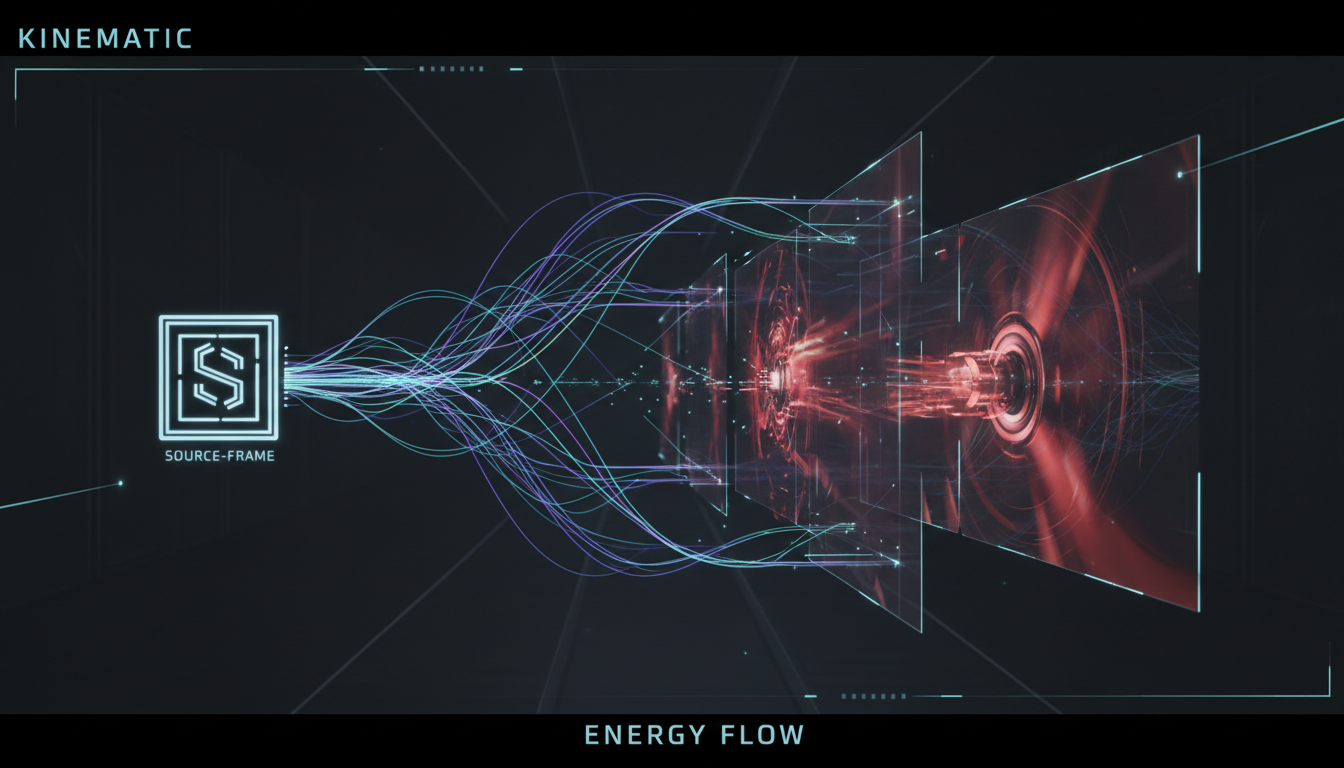
LinkfilmAI anchors Wan as the rhythmic engine of your visual narrative, bridging the gap between static design and cinematic motion.
Instead of treating your video motion as a separate, external export, LinkfilmAI connects your Wan nodes directly to your active visual pipeline. You can route your base hero assets straight into the Wan node, ensuring that your lighting, textures, and compositional intent are driven by the same data-backed, intelligent architecture as your layout and compositing nodes.