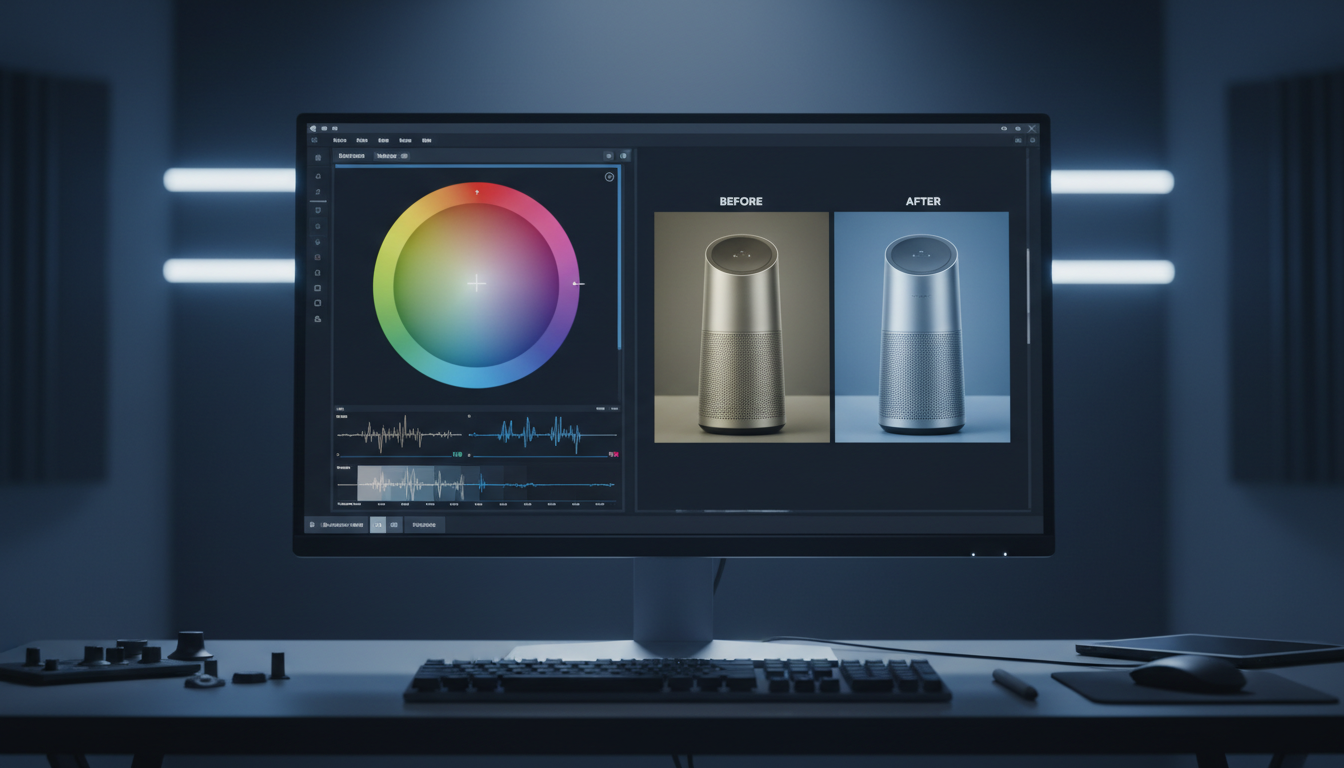
Runway Models: Cinematic Motion Synthesis

Defining Runway Architecture
Direct Answer: Runway is a sophisticated suite of multimodal generative video models (including the Gen-3 Alpha series), engineered to synthesize realistic motion, cinematic lighting, and temporally stable video sequences from descriptive text, static images, or motion-brush inputs.
The Temporal Bottleneck: Why Standard Video Models Fail
Many generative video tools rely on simple frame-by-frame interpolation. If the model does not "understand" the physical permanence of an object, it will cause items to randomly vanish, morph into different shapes, or jitter inconsistently between seconds. This is known as "latent drift" in the time dimension.
Runway resolves this by utilizing a deep-temporal transformer architecture. By training on massive datasets of film, animation, and real-world footage, the model develops an internal "physics engine" that tracks objects, lighting, and movement trajectories across the entire duration of the clip. This ensures that a character walking down a street remains the same character from start to finish, with realistic shadow behavior and consistent textural detail.
Core Use Cases for Runway Motion Synthesis
The Runway family enables three high-value workflows for technical creative teams:
- Cinematic Narrative Synthesis: Generate high-fidelity narrative b-roll, establishing shots, or character-driven sequences directly from detailed text prompts, streamlining the pre-visualization process.
- Motion Brush & Stylization: Apply specific directional movement to static assets using Motion Brushes, allowing users to animate specific elements (like flowing water, moving clouds, or walking subjects) within an existing image.
- Complex Multi-Asset Choreography: Direct complex camera movements and subject behaviors simultaneously, outputting polished video files that act as ready-to-use production assets for commercial and editorial projects.
Technical Constraints of High-Throughput Models
While Runway provides unmatched cinematic quality, users must consider the model's specialized operational boundaries:
- Temporal Inference Cost: Because the model calculates the physics and lighting of the entire video clip simultaneously, generative video requires significantly more compute (VRAM and TFLOPS) than static image generation, leading to longer processing queues.
- Strict Narrative Adherence: Runway is powerful but "opinionated" in its interpretation of physics. Because it attempts to simulate realistic world behavior, users must provide highly specific narrative instructions—vague prompts can result in unpredictable, surreal physical behavior.
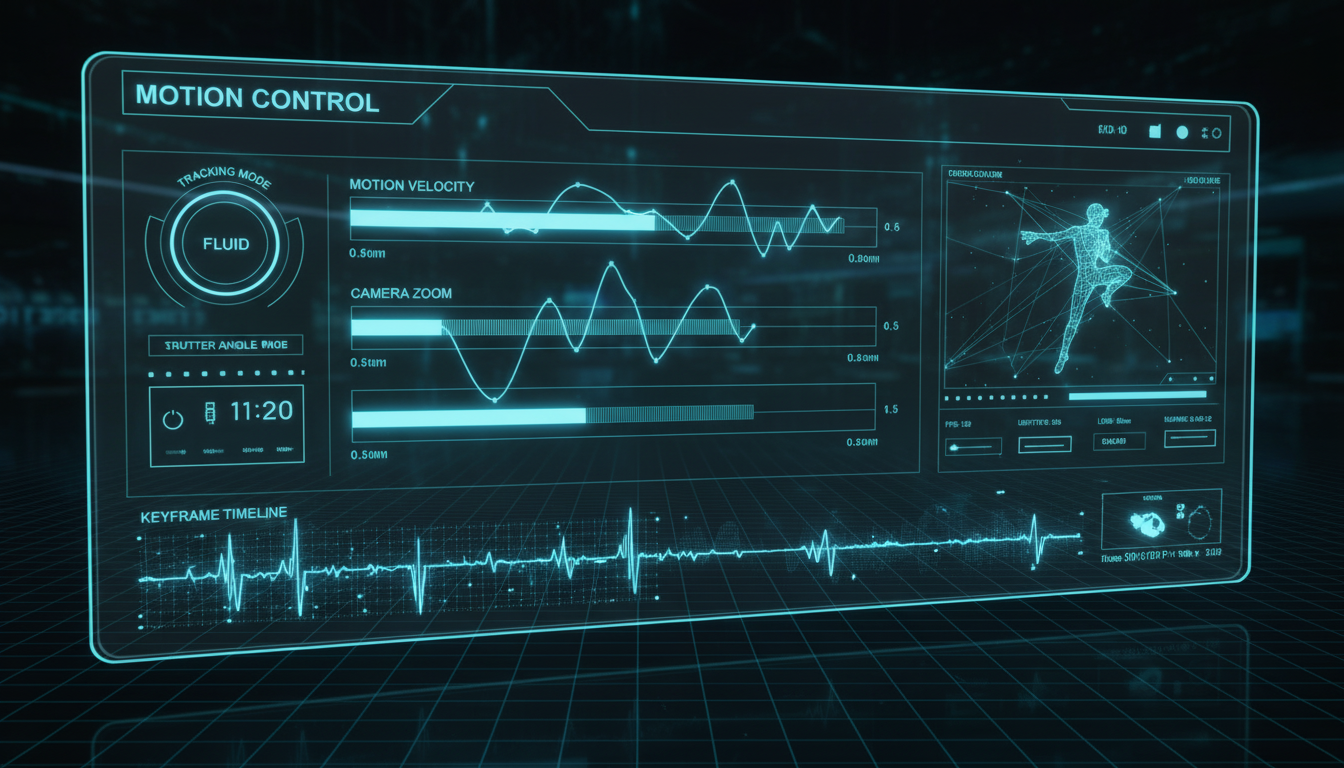
Why Choose LinkfilmAI for Runway?
We integrate Runway’s video generation stack directly into your node-based canvas, treating video not as a final export, but as a dynamic asset to be edited.
Instead of treating your video output as a static "closed" file, LinkfilmAI lets you route your Runway generations directly into secondary compositing nodes. You can take your generated video clip, run it through color-grading nodes, apply resolution-upscaling passes, and merge it with static overlays, keeping your entire cinematic workflow—from storyboard to final master—contained within one high-efficiency platform.