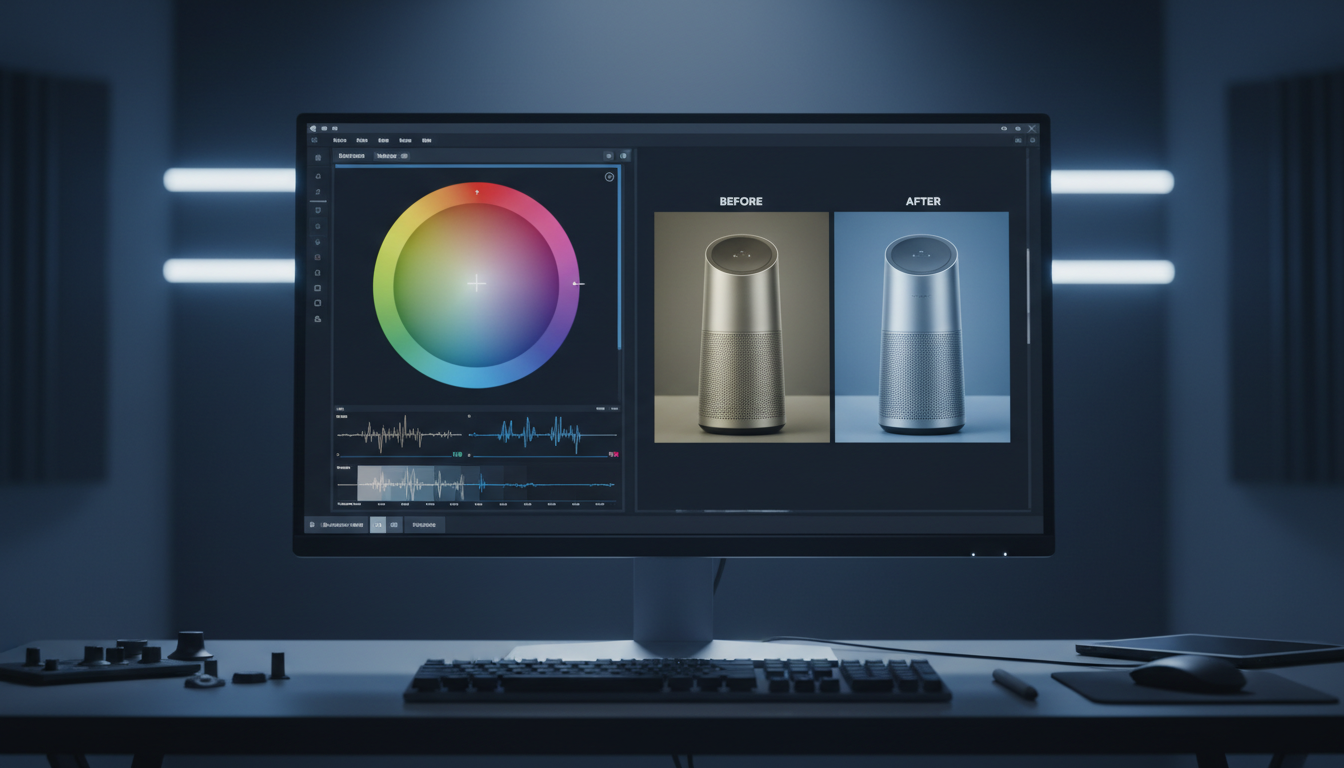
Google Imagen: Native 2K Spatial Realism

What is Google Imagen?
Direct Answer: Google Imagen is Google DeepMind's flagship family of text-to-image latent diffusion models—including the high-throughput Imagen 3 and the native 2K Imagen 4—designed to translate complex, natural language prompts into ultra-photorealistic graphics with superior in-image text rendering and precise spatial compliance.
The Fidelity Bottleneck: Why Traditional Diffusion Models Struggle
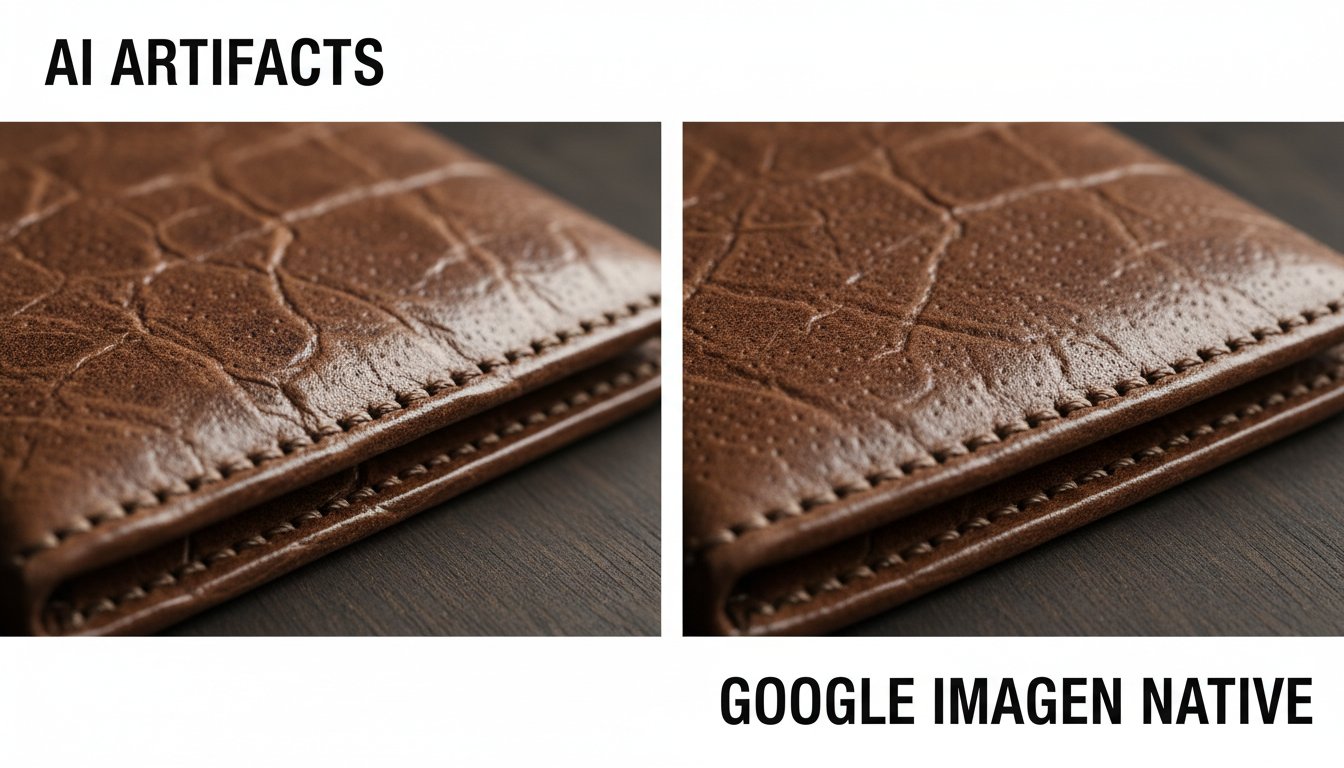
Standard generative engines often struggle to maintain realistic textures when processing complex prompt instructions. If you ask a legacy model to render a subject in a highly detailed environment, the system often prioritizes the overall background style over physical accuracy. The structural result is a glossy, artificial sheen over skin, metals, and fabrics.
Google Imagen resolves this by utilizing a deep transformer-based text encoder paired with advanced curriculum learning. This architecture allows the model to process long, highly descriptive prompt chains without losing track of subtle details like natural wood grain, fabric weaves, or dappled shadow behaviors.
Core Use Cases of Google Imagen
Implementing Google’s high-fidelity image models addresses distinct visual production needs:
- Legible In-Image Typography: Generate crisp, clear text labels, signage, and headlines directly within the generated image (supporting up to 25 characters), eliminating the need for manual vector cleanup.
- Aspect Ratio-Flexible Marketing: Produce assets natively in multiple aspect ratios (1:1, 16:9, 9:16, 4:3, 3:4) to cover standard social feeds, mobile screens, and widescreen displays in a single generation step.
- Studio-Grade Product Placement: Generate hyper-realistic lifestyle shots of products with exact lighting reflections, cast shadows, and texture detail that seamlessly pass for professional studio photography.
Computational Boundaries of Google Imagen
Despite its advanced capabilities, working with high-fidelity models involves specific technical limitations:
- Sustained Generation Latency: Generating native 2K images without a separate upscaling step requires intense GPU compute tracking, resulting in higher rendering times compared to lightweight draft models.
- Strict Algorithmic Safety Rails: Built-in metadata filters and red-teaming checks prevent the generation of unauthorized public figures or hyper-stylized copyright styles, which can occasionally restrict avant-garde artistic modifications.
Why Choose LinkfilmAI for Google Imagen?
We don't force you to wrestle with raw APIs or build custom Vertex AI environments to get production-grade output. Our open node canvas integrates Google's Imagen model stack directly into your active workspace.
Instead of treating your generation as an isolated final step, LinkfilmAI connects your Imagen node directly to manual crop boxes, directional 3D relighting grids, and export pipelines. You choose LinkfilmAI because it lets you leverage Google's raw visual power while keeping complete, hands-on authority over the finished design.