Flux Max: Standard for Cinematic Synthesis

Defining Flux Max Architecture
Direct Answer: Flux Max is the premium, high-parameter transformer-based diffusion model in the Flux family, engineered to deliver cinematic-level detail, hyper-accurate prompt adherence, and superior spatial intelligence for complex, multi-subject compositions.
The Texture-Mapping Ceiling: Why Standard Models Fall Short
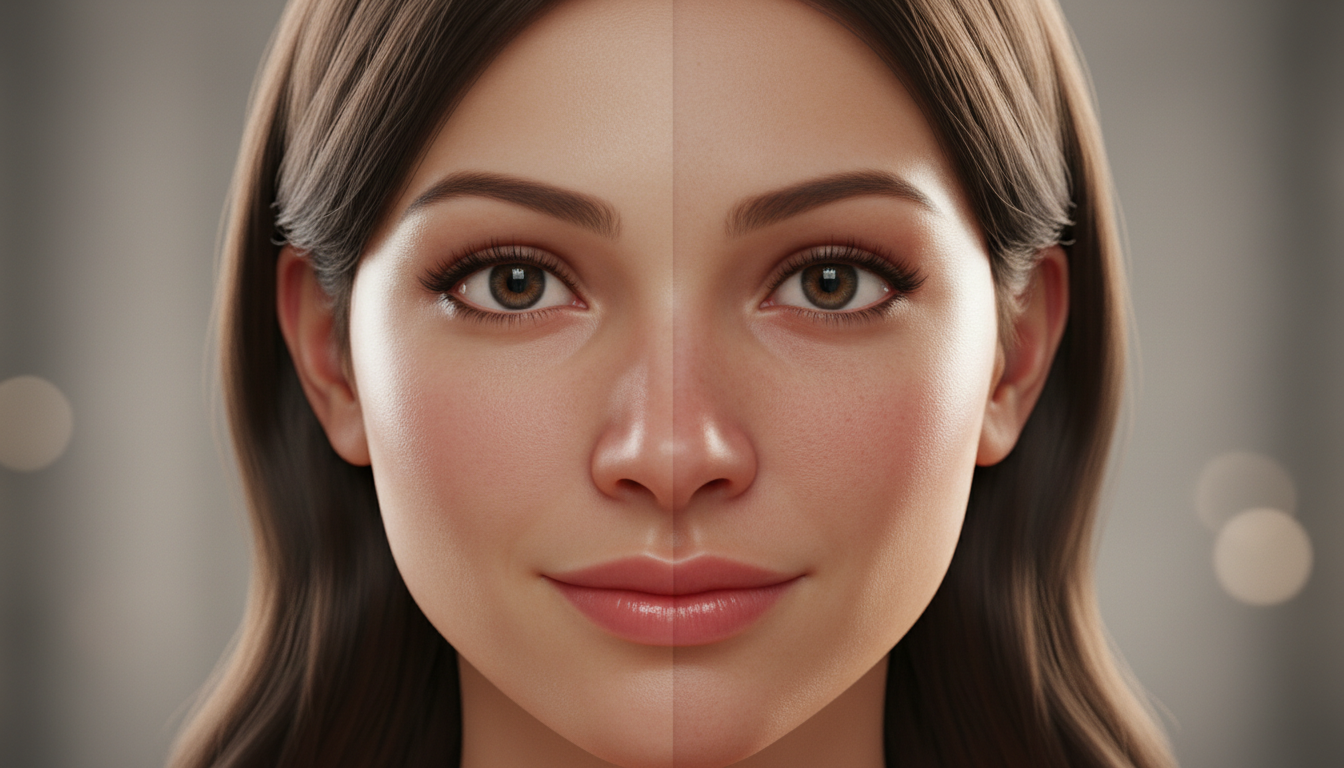
Many generative engines suffer from "averaging," where the model’s desire to maintain a clean image leads to the loss of fine, high-frequency details. This results in synthetic-looking materials, plastic skin textures, and flattened lighting that lacks true atmospheric depth.
Flux Max solves this via a proprietary, high-density transformer backbone. By processing visual information with significantly more parameters than lighter models, Flux Max retains the subtle nuances—such as individual skin pores, the specific weave of luxury fabrics, or the atmospheric bloom in a long-exposure shot—that distinguish professional cinema from mid-tier AI output.
High-Fidelity Synthesis Use Cases
The Flux Max architecture unlocks three core workflows for professional design teams:
- Photorealistic Asset Development: Generate high-end product and material assets that hold up under extreme close-ups, ensuring that textures (metal, leather, glass) maintain physical, believable properties.
- Complex Scene Direction: Execute long, highly detailed prompt chains involving intricate subject interactions, specific camera focal lengths, and complex environment settings without the "hallucination" of features.
- Cinematic Storyboarding: Maintain character and asset consistency across entire animation sequences, as Flux Max excels at holding structural integrity even when visual parameters are aggressively shifted.
Technical Constraints of High-Parameter Diffusion
While Flux Max offers industry-leading realism, users must account for the infrastructure requirements:
- Inference Resource Intensity: Because of the model's massive parameter density, generating images requires significant GPU overhead compared to draft-tier, lightweight models.
- Prompt Engineering Precision: Flux Max is highly sensitive to input instructions. Because the model is capable of reproducing subtle details, "vague" prompts will lead to outputs that feel uncentered or overly complex; it demands intentional, structural prompt crafting.
Why Choose LinkfilmAI for Flux Max?
We eliminate the need to manually provision massive server clusters or wrestle with complex inference code just to access top-tier model power. LinkfilmAI integrates the Flux Max stack directly into your node-based creative workspace.
Instead of treating your generation as a "hit-or-miss" task, we connect Flux Max directly to your active canvas. You route your generations through manual crop boxes, directional 3D relighting grids, and export pipelines, allowing you to leverage the model’s raw visual intelligence while keeping complete, hands-on authority over your finished design.